
How do casinos influence the economic landscape of local communities
How do casinos influence the economic landscape of local communities
Job Creation and Employment Opportunities
Casinos serve as significant employment hubs within local communities. They create thousands of jobs ranging from entry-level positions to high-skilled management roles. This influx of job opportunities can drastically reduce unemployment rates in the surrounding area, providing a stable source of income for many households. When casinos establish themselves in a region, they often prioritize hiring local residents, thereby investing directly in the community’s economic health. Additionally, many players prefer engaging with casinos not on gamstop due to their flexible regulations.
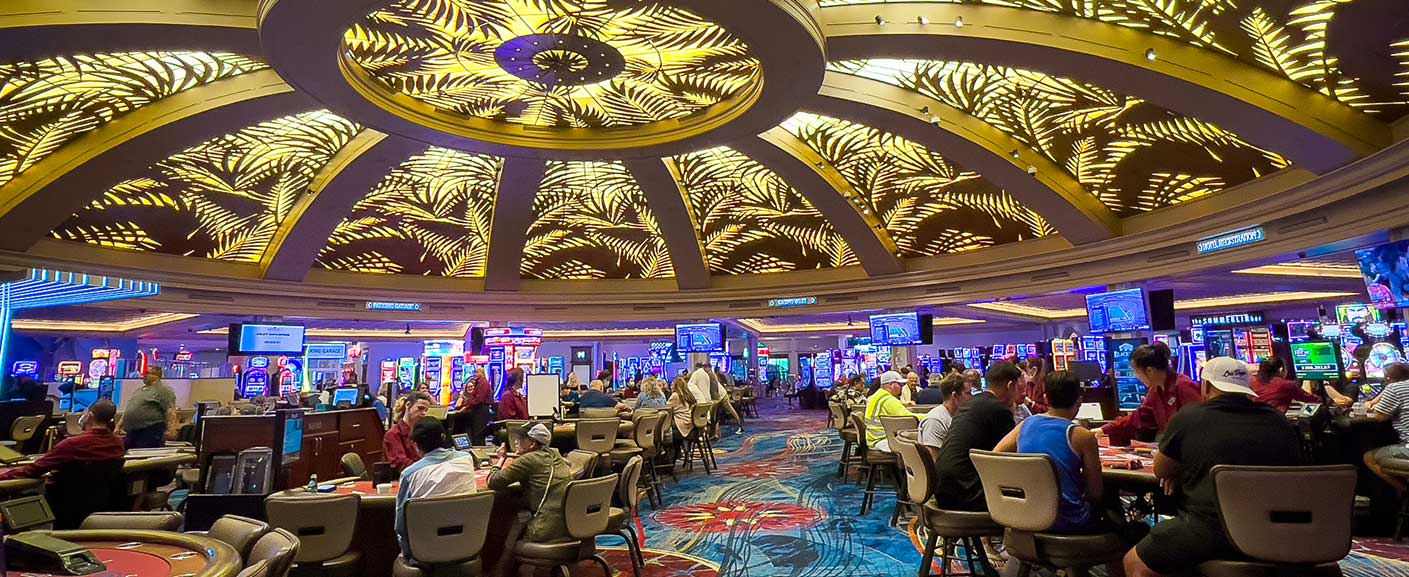
Moreover, the jobs created by casinos extend beyond those directly within the gambling facilities. They spur additional employment in sectors like hospitality, retail, and transportation. For instance, an increase in casino visitors boosts demand for local hotels and restaurants, thereby creating further job opportunities. This interconnectedness helps to bolster the entire local economy.
Boosting Local Businesses
The presence of a casino can lead to increased foot traffic and customer spending in nearby businesses. Local shops, restaurants, and entertainment venues often see a spike in customers as casino-goers explore the area. This can be particularly beneficial for small businesses that may struggle to attract a steady stream of patrons without the influx brought by the casino.
Furthermore, casinos frequently collaborate with local businesses for various services, including catering, event planning, and marketing. This partnership not only enriches the gaming experience but also supports local entrepreneurs, allowing them to thrive in a competitive market. Consequently, the economic ripple effect strengthens the community as a whole.
Tax Revenue and Public Services
Casinos contribute significantly to local and state tax revenues. The taxes collected from casino operations can be allocated to various public services, including education, healthcare, and infrastructure improvements. Such financial contributions can dramatically enhance the quality of life for residents, providing them with better schools, roads, and public amenities.
In many cases, municipalities use a portion of casino tax revenues to fund community programs and initiatives aimed at improving public welfare. This investment can also lead to increased safety and community development projects, making neighborhoods more vibrant and appealing to potential residents and businesses alike.
Social and Economic Challenges
While the economic benefits of casinos are substantial, they can also present social challenges. The increase in gambling opportunities can lead to a rise in problem gambling and associated social issues. Communities may face increased costs related to addiction treatment and counseling, which can negate some of the financial benefits derived from tax revenues.
Moreover, the economic impact of casinos can create a dependency on the gaming industry, making local economies vulnerable to fluctuations in gambling revenues. If a casino were to close or experience a downturn, the local community could face significant economic hardship, underscoring the importance of diversifying local economies beyond gaming.

Exploring Non-GamStop Casinos
As the gaming landscape evolves, many players seek alternatives to traditional casinos. Non-GamStop casinos have emerged, offering a wider range of gaming options and flexible betting limits. These platforms cater to players looking for varied experiences while ensuring safe and fair play.
For communities considering the economic impact of casinos, exploring diverse gaming avenues can be beneficial. By attracting a broader audience, these establishments can further enhance local economies while providing entertainment options that suit different preferences. Engaging with the evolving world of online casinos may offer additional economic opportunities for local communities.